Published August 3, 2026
The True Cost of Owning a Home: The Insurance Questions Every Buyer Should Ask Before Making an Offer

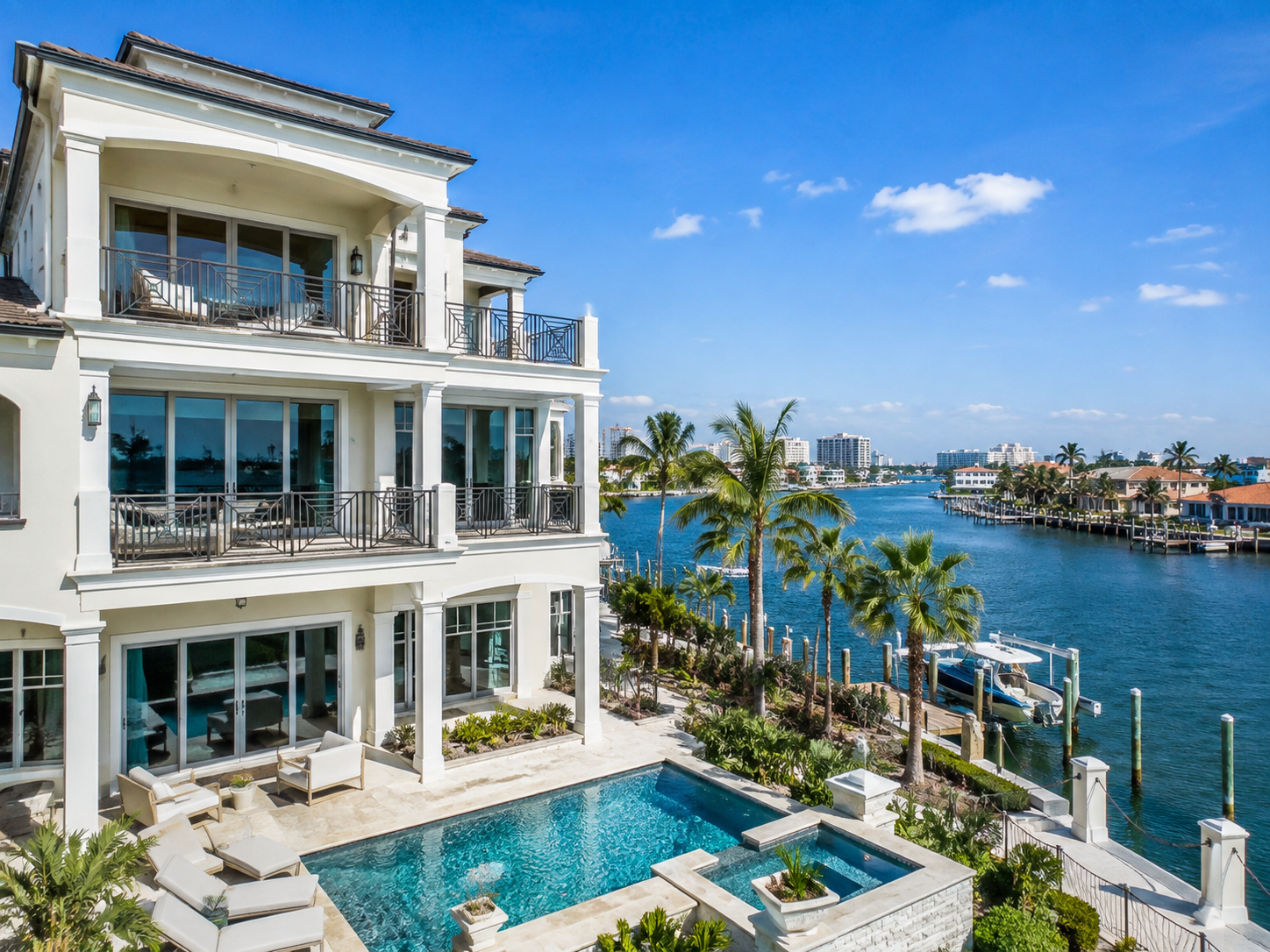
The Mortgage Payment Is Only Part of the Story
It's easy to get excited about finding the perfect home.
But before you fall in love with the kitchen, the pool, or the view from the back porch, take a few minutes to understand what it will actually cost to own that property every month.
Your monthly housing budget typically includes:
- Principal and interest
- Property taxes
- Homeowners insurance
- Flood insurance, if required
- HOA or condo fees
- Routine maintenance
- Utilities
- Future repairs and replacements
Two homes with identical list prices can have dramatically different monthly ownership costs.
That's why buying based solely on the mortgage payment can lead to unpleasant surprises.
Six Insurance Questions Every Buyer Should Ask
1. What is the current insurance premium?
Ask the seller if they're willing to share their current premium.
It won't necessarily be your premium, but it provides a useful starting point.
Remember that insurance costs vary based on your carrier, coverage limits, deductible, and personal underwriting factors.
2. How old is the roof?
Roof age remains one of the biggest factors insurers consider.
A roof nearing the end of its expected life may affect available coverage or increase premiums.
Even if the roof isn't leaking, its age matters.
3. Has the home had a wind mitigation inspection?
In Florida especially, a wind mitigation inspection can identify features that may qualify for insurance discounts.
These may include:
- Roof shape
- Roof-to-wall connections
- Secondary water resistance
- Hurricane straps
- Impact-rated openings
A relatively inexpensive inspection could save money over time.
4. Is the property in a flood zone?
Even if flood insurance isn't required by your lender, that doesn't automatically mean flooding isn't possible.
Understand the property's flood designation and discuss your options with your insurance professional.
5. Have there been previous insurance claims?
Prior claims don't automatically make a home a poor purchase.
However, understanding what happened and whether repairs were completed properly can help you make an informed decision.
6. What major systems have been updated?
Insurance companies often look closely at:
- Roof
- Electrical system
- Plumbing
- HVAC
Knowing when these systems were replaced can help you anticipate both insurance considerations and future maintenance expenses.
Don't Forget About Maintenance
Insurance protects you from many unexpected events.
It doesn't eliminate routine maintenance.
Every homeowner should budget for items like:
- exterior painting
- landscaping
- appliance replacement
- water heaters
- HVAC maintenance
- roof maintenance
- driveway repairs
Buying a home that stretches your budget too thin leaves little room for these inevitable expenses.
Why Newer Doesn't Always Mean Cheaper
Many buyers assume a newly built home automatically has the lowest ownership costs.
Sometimes that's true.
Sometimes it isn't.
New construction may offer newer systems and modern building standards, but buyers should still evaluate:
- HOA or community fees
- CDD assessments where applicable
- insurance requirements
- future maintenance responsibilities
- builder warranties and what they actually cover
The newest house isn't always the least expensive house to own.
What This Means for Florida Buyers and Sellers
Florida buyers have become much more sophisticated about ownership costs than they were just a few years ago.
Whether you're looking in Tampa, St. Petersburg, Clearwater, Sarasota, Ocala, or another Florida community, buyers increasingly ask about roof age, mitigation features, insurance history, and flood risk before submitting an offer.
For sellers, this presents an opportunity.
Having documentation ready, such as roof permits, wind mitigation reports, recent inspections, or records of major system updates, can help answer buyer questions more quickly and inspire confidence.
For buyers, remember that affordability isn't determined by the sale price alone. The home that fits your long-term budget is often the better investment, even if another property initially appears to be a bargain.
Final Thoughts
The best home purchase isn't necessarily the one with the lowest asking price.
It's the one you can comfortably afford for years to come.
Understanding insurance, maintenance, taxes, and ongoing ownership costs before making an offer puts you in a stronger position to make a confident decision and avoid surprises after closing.
If you're considering buying or selling in Tampa, St. Petersburg, Clearwater, Sarasota, Ocala, or the surrounding communities, I'd be happy to help you evaluate not only the home's value but also its long-term ownership costs. Every property is different, and having experienced local guidance can make all the difference before you sign a contract.