Published August 4, 2026
Buying a Condo? Investigate the Building Before You Fall in Love With the Unit

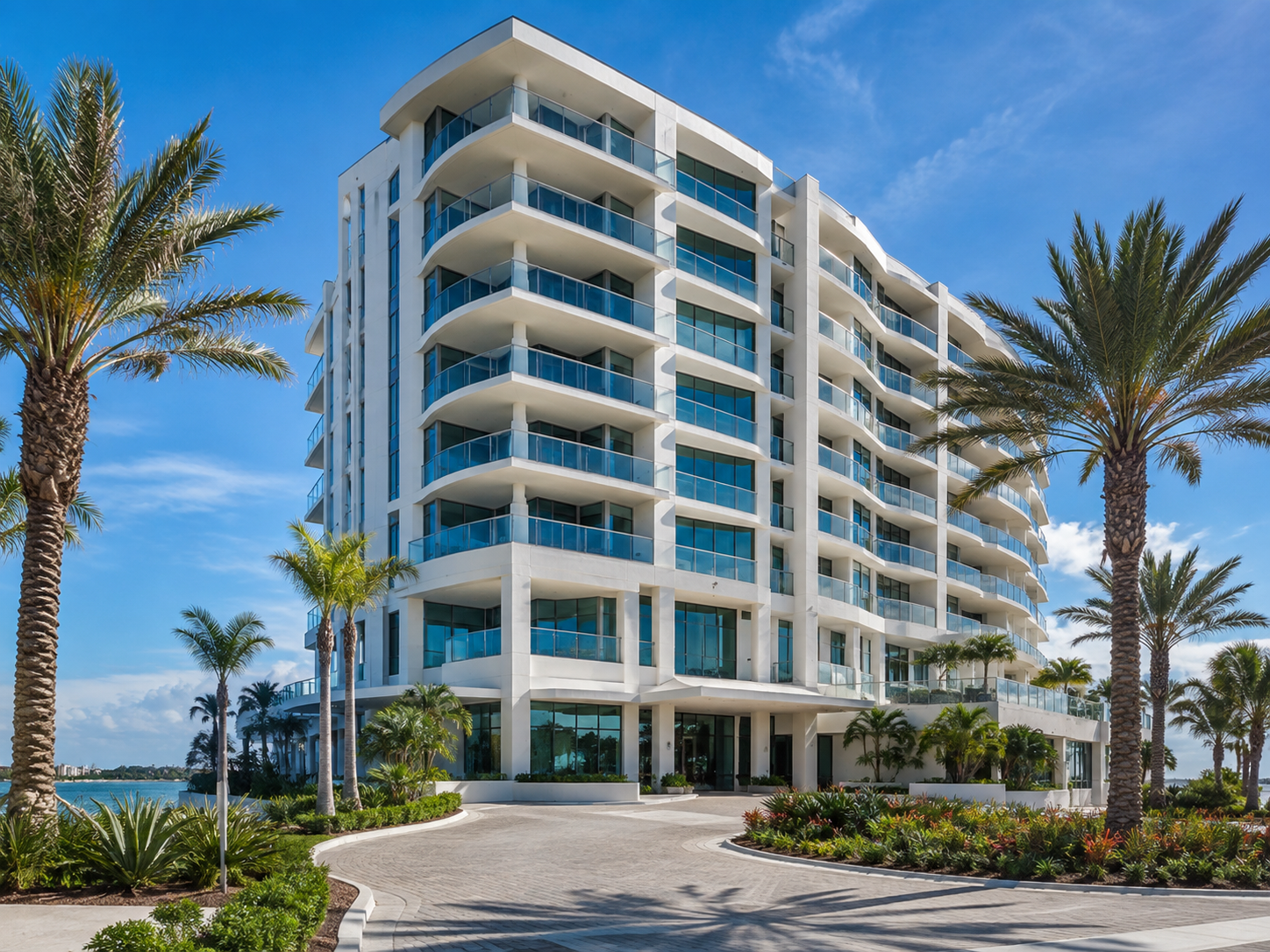
Buying a Condo? Investigate the Building Before You Fall in Love With the Unit
That beautiful condo with the water view, renovated kitchen and perfect balcony might check every box on your wish list.
But there's another part of the property you need to investigate, and you can't see it during a showing.
The condominium association itself.
Recent changes to mortgage guidelines are putting even more attention on the financial and physical condition of condominium projects. That's particularly important here in Florida, where reserves, structural inspections, insurance costs and special assessments have become major considerations for condo owners.
Here's the important part: You aren't simply buying Unit 702.
You're buying Unit 702 and a financial interest in the building and association around it.
That deserves some homework.
Current context
For mortgage applications dated August 3, 2026 or later, Fannie Mae is retiring its Limited Review process and Freddie Mac is retiring its Streamlined Review process. Many condominium loans that previously qualified for those abbreviated reviews may now require a more comprehensive project review unless an exception or waiver applies.
That review can involve the condominium association's budget, reserves, insurance, financial condition, special assessments and other project-level issues.
There is another change coming. For applicable condo loans, replacement-reserve funding expectations are scheduled to increase from 10% to 15% of annual budgeted income beginning in January 2027.
These are financing guidelines, not a prediction that condos are becoming impossible to finance. They do mean buyers, sellers, associations, lenders and real estate professionals should be getting condominium documentation reviewed earlier in the transaction.
Condo approval is different from buyer approval
This catches buyers by surprise.
You can have excellent credit, plenty of income, a strong down payment and a mortgage preapproval and still encounter a financing problem with a condominium.
Why?
Because when you're financing a condo, the lender isn't evaluating only you.
It's evaluating the project too.
Fannie Mae's project standards specifically recognize that the financial stability, physical condition and other characteristics of a condominium project can affect the mortgage secured by an individual unit.
Think about it this way.
You might be financially qualified to buy the condo.
The question becomes whether the condo is financially qualified for you to buy it with that particular financing.
Those are two different things.
Start with the association's finances
Before buying a condo, I want to know how the association handles money.
Look beyond the monthly condo fee.
Review the budget and ask:
-
How much money is being placed into reserves?
-
What major expenses are anticipated?
-
Are owners delinquent on assessments?
-
Have reserves historically been adequately funded?
-
Are there existing special assessments?
-
Are additional assessments being discussed?
-
Have association dues recently increased?
-
Are additional increases anticipated?
A low monthly condo fee isn't automatically a selling point.
Sometimes it means the association is exceptionally efficient.
Sometimes it means previous owners weren't putting enough money aside for tomorrow's repairs.
Eventually, tomorrow arrives.
Understand the reserve study
In Florida, certain condominium buildings are subject to Structural Integrity Reserve Study requirements.
A SIRS evaluates specified building components, their estimated remaining useful lives, expected repair or replacement costs and the reserve funding necessary to address those expenses.
Florida's Department of Business and Professional Regulation identifies components including roofs, structural systems, fire protection, plumbing, electrical systems, waterproofing and exterior painting, windows and exterior doors, plus certain other qualifying components.
For a buyer, this document can be incredibly valuable.
Don't simply ask:
"Does the building have a reserve study?"
Ask:
"What does the reserve study say?"
A study identifying millions of dollars in upcoming work is very different from one showing major components with significant remaining useful life and adequate funding.
Special assessments deserve your attention
A special assessment isn't automatically a reason to walk away from a condo.
Sometimes an assessment pays for improvements that make the building substantially better.
The important questions are:
What is the assessment for?
How much is it?
How much remains unpaid?
Who is responsible for paying it under the purchase contract?
Does the assessment fully fund the project, or could additional assessments follow?
I'd also want to know whether other major projects are being discussed.
Read recent board and association meeting minutes when they're available. A budget tells you what has been approved. Meeting minutes may help reveal what the board is currently discussing.
That's often where you'll find the conversation about the roof that might need replacement next year, the elevator modernization proposal or the insurance premium that's causing concern.
Look at the building, not just the condo
A beautiful renovation can make it easy to overlook the larger property.
Don't.
Look at common areas, balconies, parking structures, elevators, roofs where information is available, exterior finishes and visible signs of deferred maintenance.
In applicable Florida buildings, milestone inspections are intended to evaluate whether substantial structural deterioration exists. Structural Integrity Reserve Studies serve a different purpose by addressing reserve needs for specified building components.
They aren't the same document, and buyers should understand what reports apply to the property they're considering.
Insurance matters too
Condominium insurance has two sides.
The association typically maintains a master policy covering certain portions of the building and common property, while individual owners generally carry their own unit coverage.
Your lender may scrutinize the association's master insurance coverage as part of project review.
As a buyer, you should understand both.
Ask your insurance professional what the association's policy covers and what you'll need to insure separately.
Do this early.
Finding out a week before closing that there's an insurance issue is nobody's idea of a good Tuesday afternoon.
Don't assume cash buyers can ignore this
Here's a mistake I see people make:
"I'm paying cash, so financing rules don't matter."
They may not matter to your purchase today.
They can absolutely matter when you sell.
Imagine buying into a building that later becomes difficult for conventional buyers to finance.
You've potentially reduced the pool of buyers for your unit.
That's why even a cash buyer should care about reserves, insurance, assessments and project eligibility.
You're not only evaluating today's purchase.
You're protecting tomorrow's resale.
My condo document checklist
Before I became comfortable with a condo purchase, I'd want to understand:
-
Current association budget
-
Reserve funding
-
Most recent reserve study, when applicable
-
Milestone inspection, when applicable
-
Current special assessments
-
Pending or discussed assessments
-
Association insurance
-
Recent association meeting minutes
-
Major planned repairs
-
Owner assessment delinquencies
-
Pending litigation that may affect the project
-
Condo fees and recent increases
-
Rental restrictions, if that matters to your plans
-
Project eligibility for your intended financing
Not every item will apply to every condominium.
The point is to investigate the project, not just inspect the unit.
What this means for Florida buyers and sellers
This matters particularly in condo-heavy markets such as Tampa Bay, St. Petersburg, Clearwater and Sarasota.
For buyers, my advice is simple: start the condo review early.
Don't wait until you're emotionally committed to the property or two weeks from closing before someone begins asking for association documents.
For sellers, preparation matters just as much.
If your association has strong reserves, completed inspections, adequate insurance and organized financial records, having that documentation readily available may help buyers and lenders evaluate the property more efficiently.
If there are problems, hiding from them won't improve the situation. Understanding them before listing gives you time to develop a strategy.
And here's something sellers often overlook: your buyer can be perfectly qualified and your unit can be beautifully maintained, yet project-level financing issues can still derail the transaction.
That's why condo sellers should understand their association's financial health before putting the unit on the market.
The condo fee isn't the number that scares me
A buyer might look at two condos:
Condo A charges $650 per month.
Condo B charges $850.
At first glance, Condo A looks like the better deal.
But suppose Condo A has weak reserves and $25,000 per unit of major repairs approaching, while Condo B has consistently funded reserves and already accounted for its upcoming projects.
Which condo is actually more expensive?
That's why I don't judge a condominium solely by its monthly fee.
I'd rather see a responsibly funded association charging what it actually costs to maintain the property than an artificially low fee followed by surprise assessments.
Cheap and inexpensive aren't always the same thing.
The bottom line
Buying a condo requires looking beyond countertops, views and square footage.
You're buying into a small financial ecosystem.
The condition of the building, association finances, reserves, insurance and future repair obligations can affect your monthly costs, financing options and eventual resale value.
So before you fall in love with the unit, investigate the building.
If you're considering a condominium in Tampa, St. Petersburg, Clearwater, Sarasota or elsewhere in Florida, contact me before you start narrowing down properties. I'll help you look beyond the listing photos and ask the questions that can actually affect your purchase, your ownership costs and your ability to sell someday.
A great view is wonderful.
It's even better when you understand what's happening underneath it.